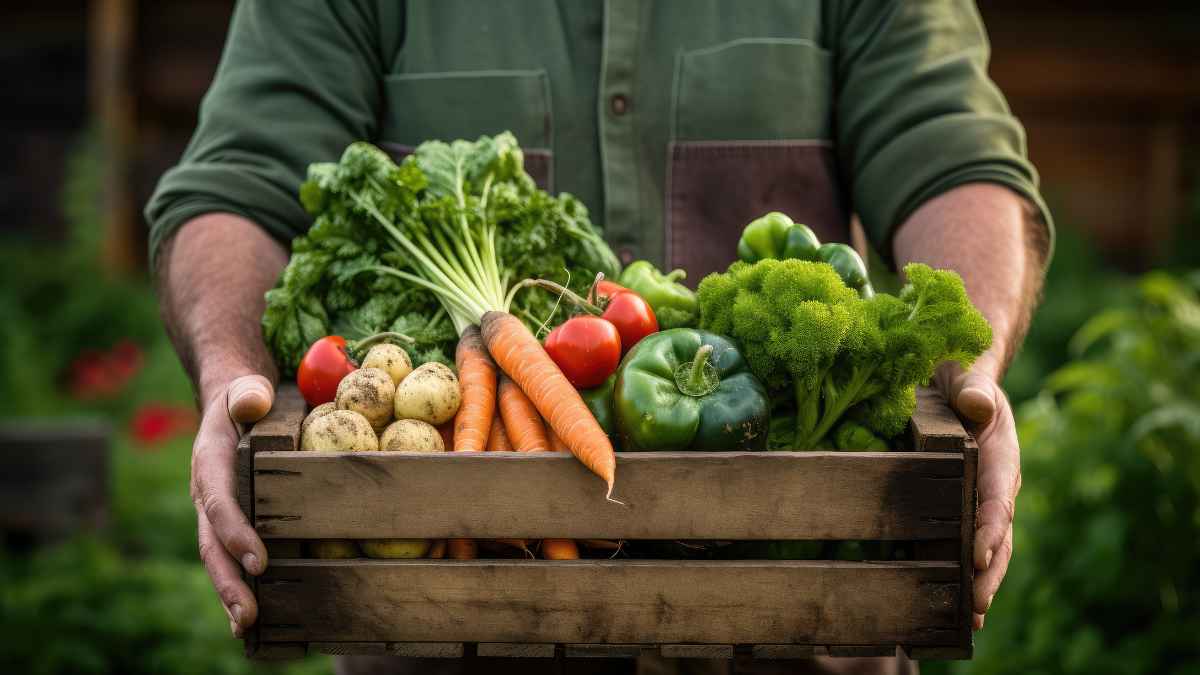
In the tapestry of sustainable living, Community Supported Agriculture (CSA) programs emerge as vibrant threads, weaving together the well-being of our environment, health, and communities. At its core, a CSA program is a partnership between local farmers and consumers, where individuals buy “shares” of a farm’s harvest in advance, thereby becoming stakeholders in the seasonal bounty and, occasionally, the risks of farming. This food production model champions the local economy, fosters community engagement, and promotes sustainable agricultural practices. Let’s delve into how CSA programs are seeding change and cultivating resilience in our food systems.
Strengthening Local Economies
CSA programs are a lifeline for small to mid-sized farms, providing them with a guaranteed market for their produce. This financial security enables farmers to focus on quality and sustainable farming practices without the overwhelming pressure to compete with large-scale industrial farms. By keeping money within local economies, CSAs contribute to the vitality of rural communities, supporting local jobs and fostering a network of interdependent, economically resilient local businesses.
Enhancing Environmental Sustainability
CSAs promote environmental stewardship by encouraging farming practices that harmonize with local ecosystems. Sustainable, organic, and regenerative farming techniques are the cornerstone of many CSA operations to build healthy soil, conserve water, and enhance biodiversity. By reducing the reliance on synthetic fertilizers and pesticides, CSAs help mitigate the agricultural impact of climate change and protect local wildlife and waterways.
Promoting Healthy Eating Habits
The seasonal nature of CSA shares encourages members to eat according to what’s naturally available, fostering a deeper connection to the food cycle and promoting dietary diversity. This can lead to more healthful eating patterns, as members are introduced to a variety of fruits and vegetables they might not otherwise encounter. Furthermore, the freshness of CSA produce, often harvested within 24 hours of delivery, ensures maximum nutritional value and flavor.
Building Community and Connection
One of the most profound impacts of CSA programs is their ability to cultivate a sense of community. Members often have opportunities to visit the farms, meet the farmers, and participate in farm events, deepening their understanding of where and how their food is grown. This connection fosters a sense of responsibility and appreciation for the land and the labor that sustains us, bridging the gap between consumers and producers.
Educating on Food Systems
CSAs serve as dynamic educational platforms, offering insights into the challenges and rewards of local, sustainable agriculture. Through newsletters, farm visits, and community events, members gain a firsthand understanding of the complexities of growing food, the impacts of climate change on agriculture, and the importance of supporting sustainable food systems.
Community Supported Agriculture programs are more than just an alternative to conventional food procurement; they are a testament to the power of collective action and shared responsibility. In embracing CSAs, we nourish our bodies with wholesome produce and sow the seeds for a more sustainable, equitable, and resilient food future. As we forge ahead, let us consider the role each of us can play in supporting these vital community lifelines for the health of our planet, our communities, and ourselves.
There are several resources for finding a CSA near you, including Wisconsin Agriculture Tourism Association, Local Harvest, and Harvie.