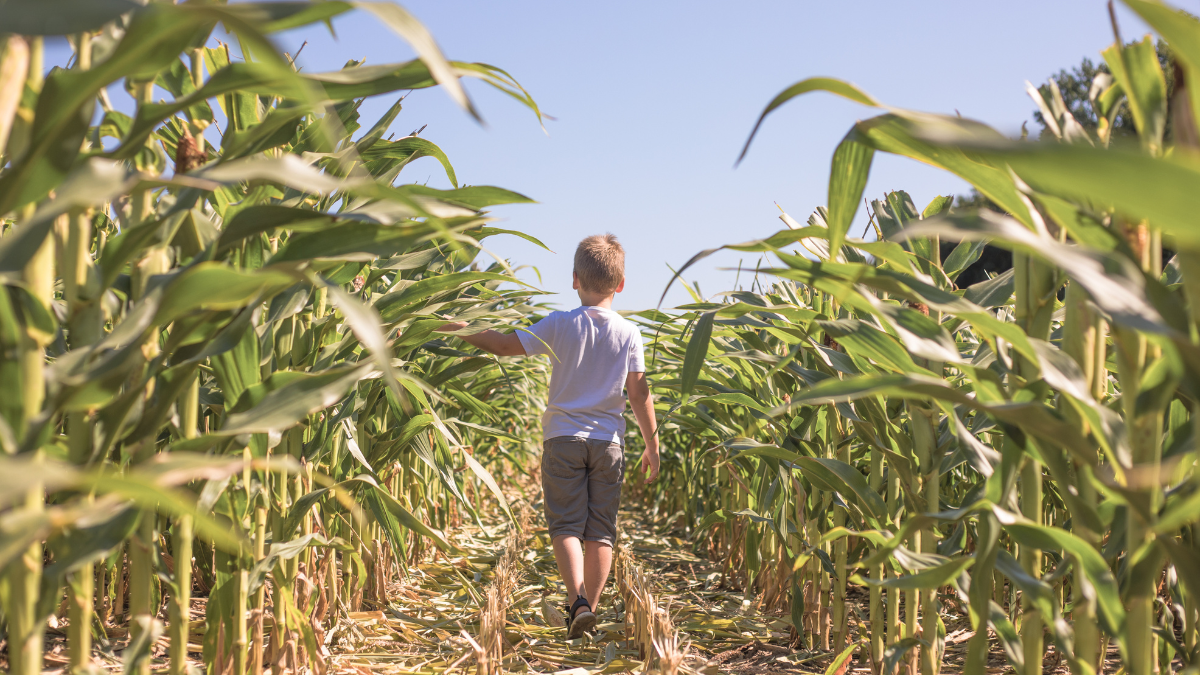
From apple picking to wine tasting, agritourism offers a wide array of experiences that connect people with the rural way of life and the origins of their food. It has also become a vital strategy for farms to diversify their business models and mitigate the financial uncertainties of traditional farming so they can continue doing what their families have been doing for generations.
The agritourism market in the United States has seen significant growth over the past decade. The global agritourism market, with a substantial share contributed by the United States, was valued at USD 5.95 billion in 2021 and is projected to grow at a compound annual growth rate (CAGR) of 11.4% from 2022 to 2030. This growth has been driven by a shift in farmers’ behaviors towards entrepreneurship and an increasing interest among tourists in healthy and relaxing holidays on lush green farms. This trend skyrocketed after COVID-19 when pandemic regulations limited travel to wide-open spaces.
In addition to creating long-lasting memories, agritourism bridges urban and rural worlds, offering educational opportunities for visitors to learn about farming practices, conservation, and sustainable living. As the number of family farms continues to decline, the disconnect between food and consumers has grown. A recent article by Travel and Leisure claimed that 57% of Americans between 11 and 24 years old have never seen a cow in person. According to PR Newswire, 72% of consumers know little about farming or ranching. Agritourism fosters a deeper understanding and appreciation for the agricultural process, from seed planting to harvesting, while promoting local produce and artisanal products.
Beyond individual farm benefits, agritourism contributes to the broader community by promoting local economies and preserving rural heritage. It encourages the conservation of agricultural lands and natural resources, as the land’s aesthetic and ecological value is integral to the tourism experience. By attracting visitors to rural areas, agritourism supports local businesses, creates jobs, and helps sustain the vitality of rural communities. Several states have incorporated agritourism trails where visitors can visit farms and stay in bed and breakfasts, dine at local restaurants, and visit shops along the way. LetsRoam.com cleverly refers to these trips as haycations.
Agritourism has proven to be a valuable strategy for family farms to diversify their business and offset the challenges of traditional farming. By combining the timeless traditions of agriculture with the dynamic world of tourism, farms can create resilient and sustainable businesses that contribute to the well-being of their communities and the environment while keeping their farms going for future generations. As this sector continues to evolve, it promises a harmonious coexistence between agriculture and tourism, rooted in mutual respect, learning, and appreciation for the land and those who care for it. When people visit a farmer’s market or take their family to a fall festival, they directly contribute to the survival of America’s family farms.
If you are a farm considering agritourism and need guidance, the Wisconsin Agriculture Tourism Association is a great place to learn about zoning, liability requirements, etc. If you need assistance with marketing, Bon Sens Media has nearly a decade of experience helping family farms grow their agritourism business.